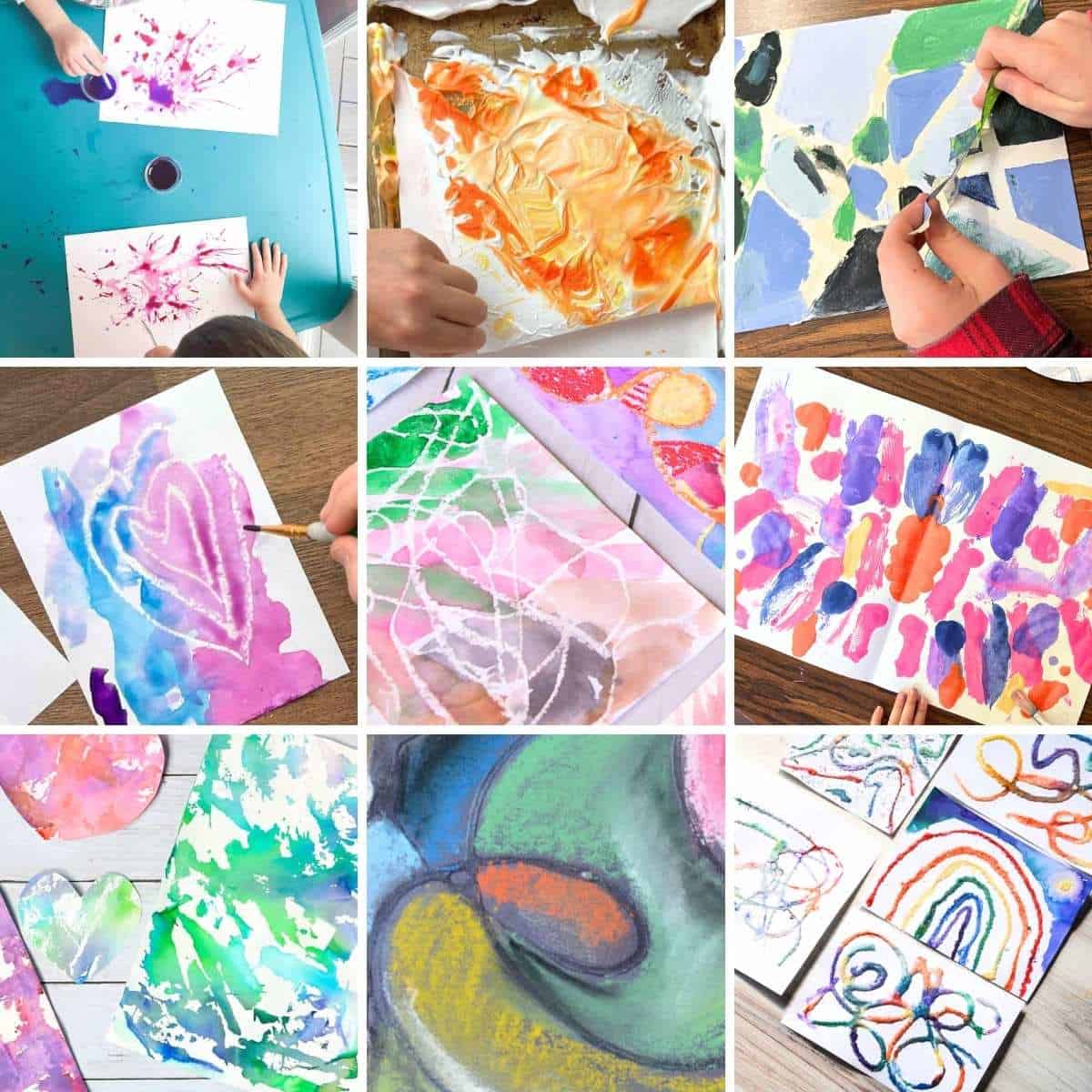
We love process art because there is no wrong way to create. These art techniques let kids explore materials, colors, textures, and tools without worrying about how their artwork should look. Here are some of our favorite process art activities to try with kids of all ages!
Disclosure: This post may contain affiliate links when clicked, we may earn a small commission at no additional cost to you. Read our full privacy policy.
Process Art vs. Product Art
OPEN-ENDED ART FUN – Kids can explore and create without worrying about doing it the “right” way.
GREAT FOR YOUNG KIDS – Preschoolers can explore the materials, while older kids can experiment with more advanced designs and techniques.
BUILDS CREATIVE CONFIDENCE – Children get to make their own choices and see what happens as they create.
FOCUSES ON THE EXPERIENCE – The fun is in the making, mixing, painting, printing, and exploring.
17+ Creative Process Art Ideas
Sometimes children just need the chance to experiment, make a mess, and enjoy creating without focusing on the final product.
1
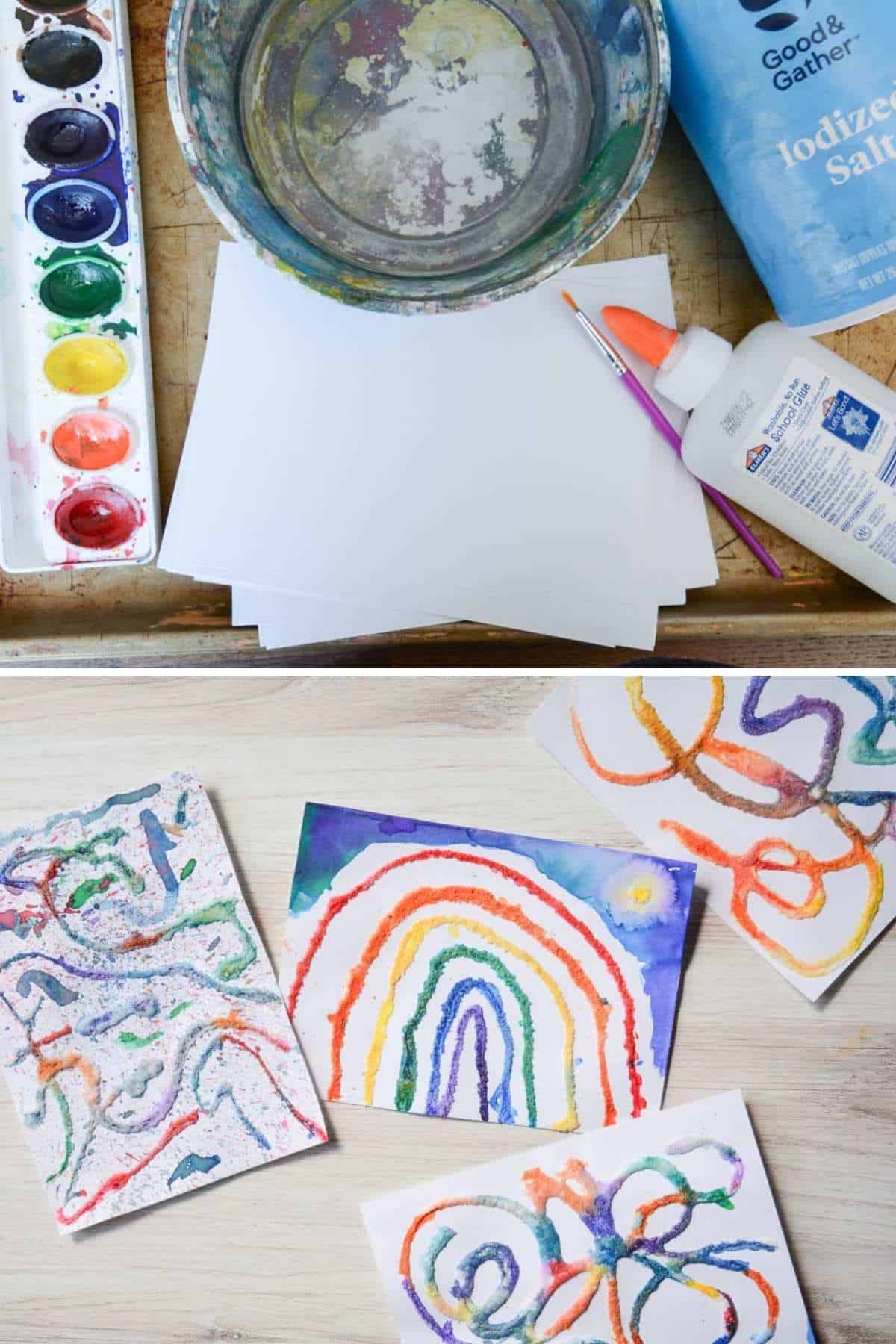
Raised Salt Painting
Raised salt painting is one of those process art techniques that feels a little magical for kids. Kids will love watching the color spread and travel through the salt. This project works on white paper or black paper, and each one creates a completely different look. It is a fun way for children to explore color mixing, texture, and how different materials react together.
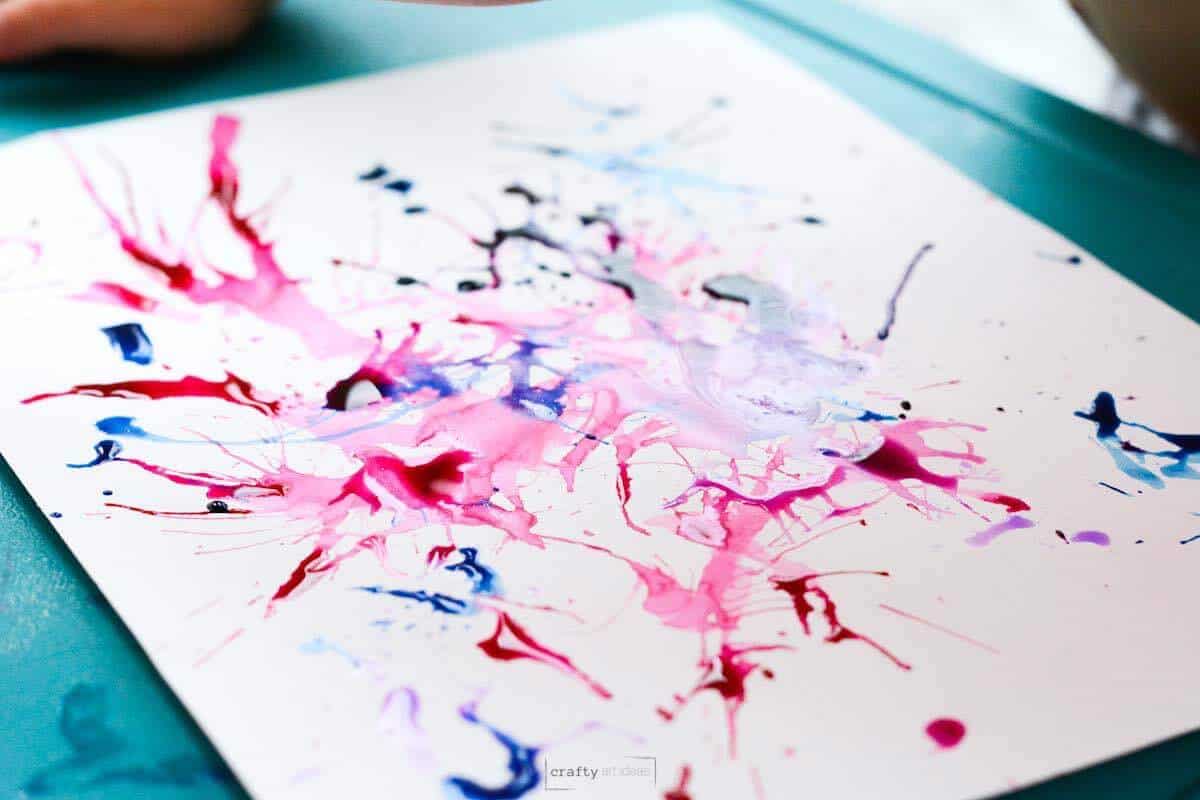
Straw painting is a fun process art technique where kids can blow liquid watercolor paint around the paper to create cool abstract designs. Children can act like Jackson Pollock as they explore movement, color, and line in a playful way. Each painting turns out completely different, and kids will be amazed at the splatters, trails, and shapes they can create just by using a straw and paint.
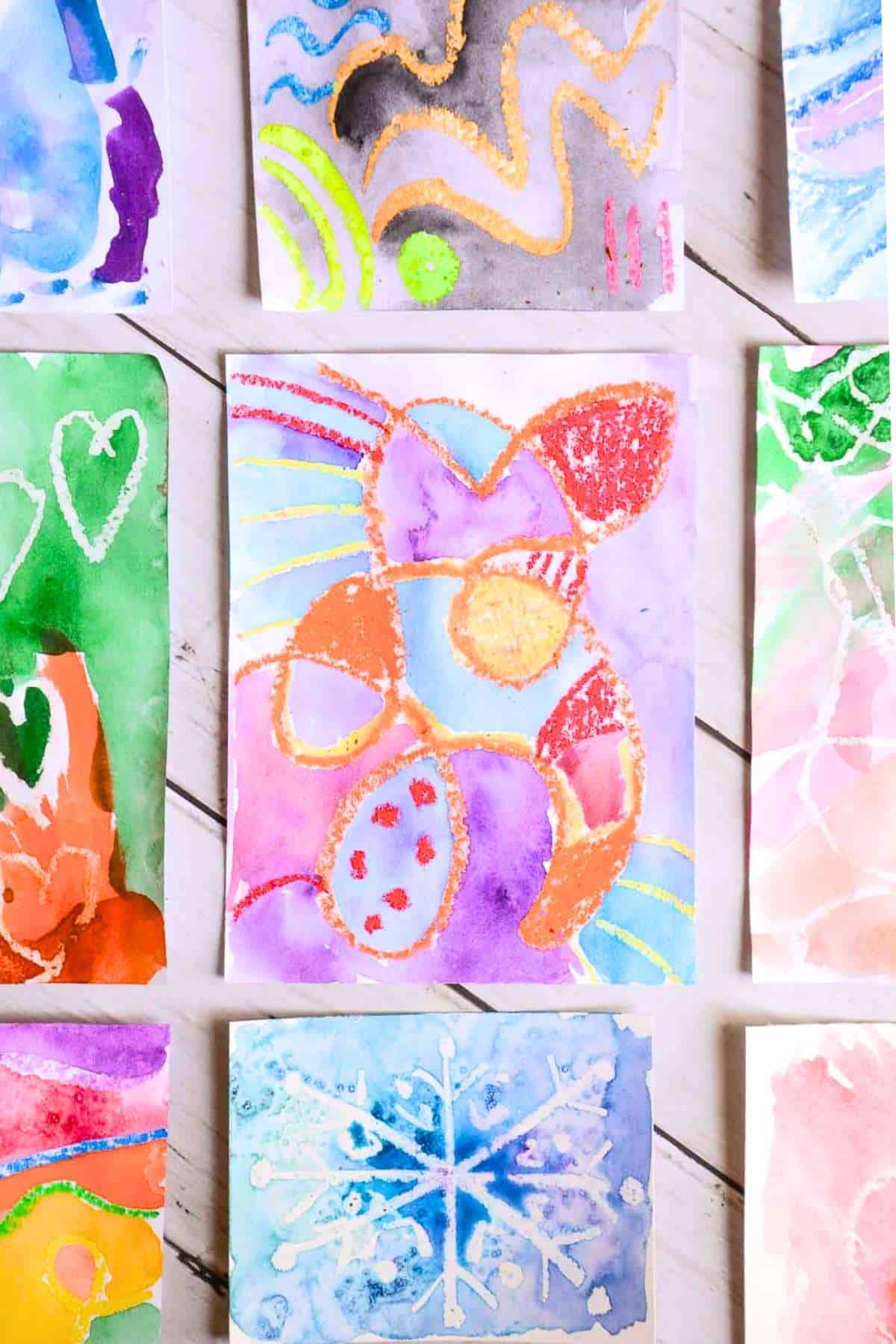
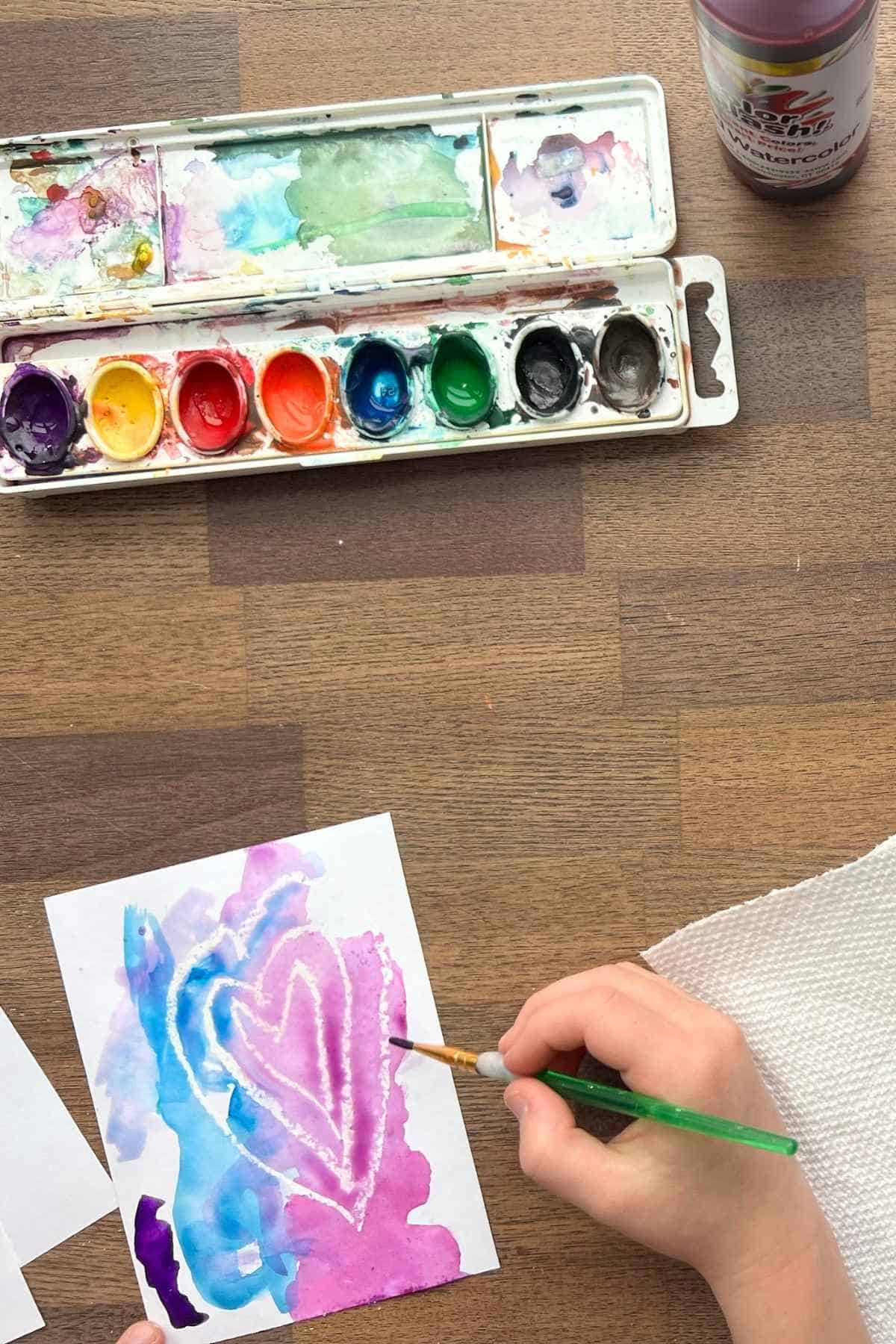
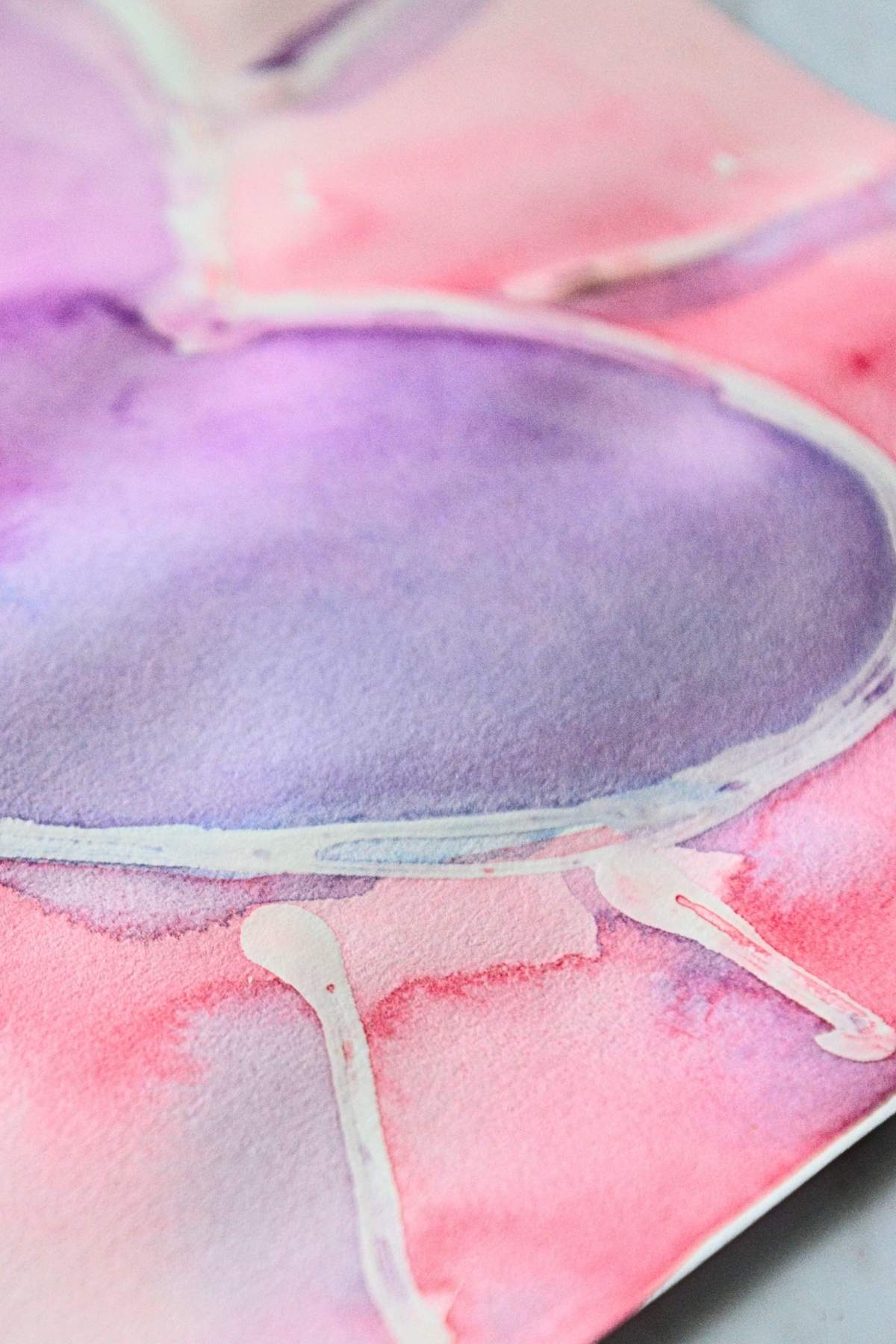
Oil pastel and watercolor resist is a fun and easy process art technique that helps kids’ drawings stand out. Children can draw with oil pastels or crayons first, and then paint watercolor right over the top. The waxy lines resist the paint, so their designs magically appear as they add color. This is a great way for kids to create one-of-a-kind artwork while exploring how different art materials work together.
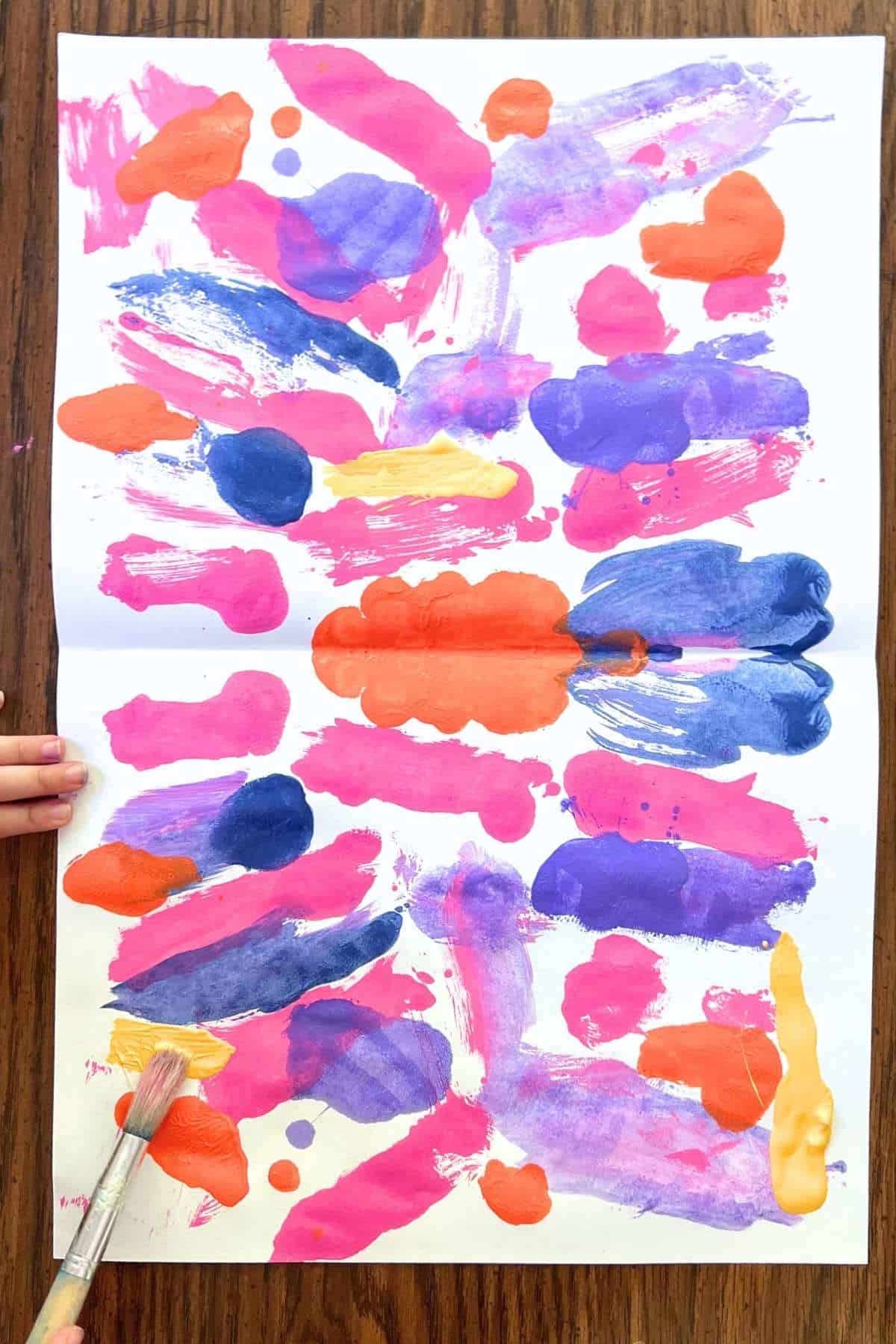
Symmetry painting is a simple process art technique that feels like a surprise every time. Kids can paint on one side of the paper, fold it in half, and then open it back up to reveal a matching design.This is a fun way to introduce young children to symmetry while still keeping the project open-ended. Use this technique to create butterflies, hearts, insects, or abstract designs. Kids love seeing how their colors and shapes transfer from one side to the other.
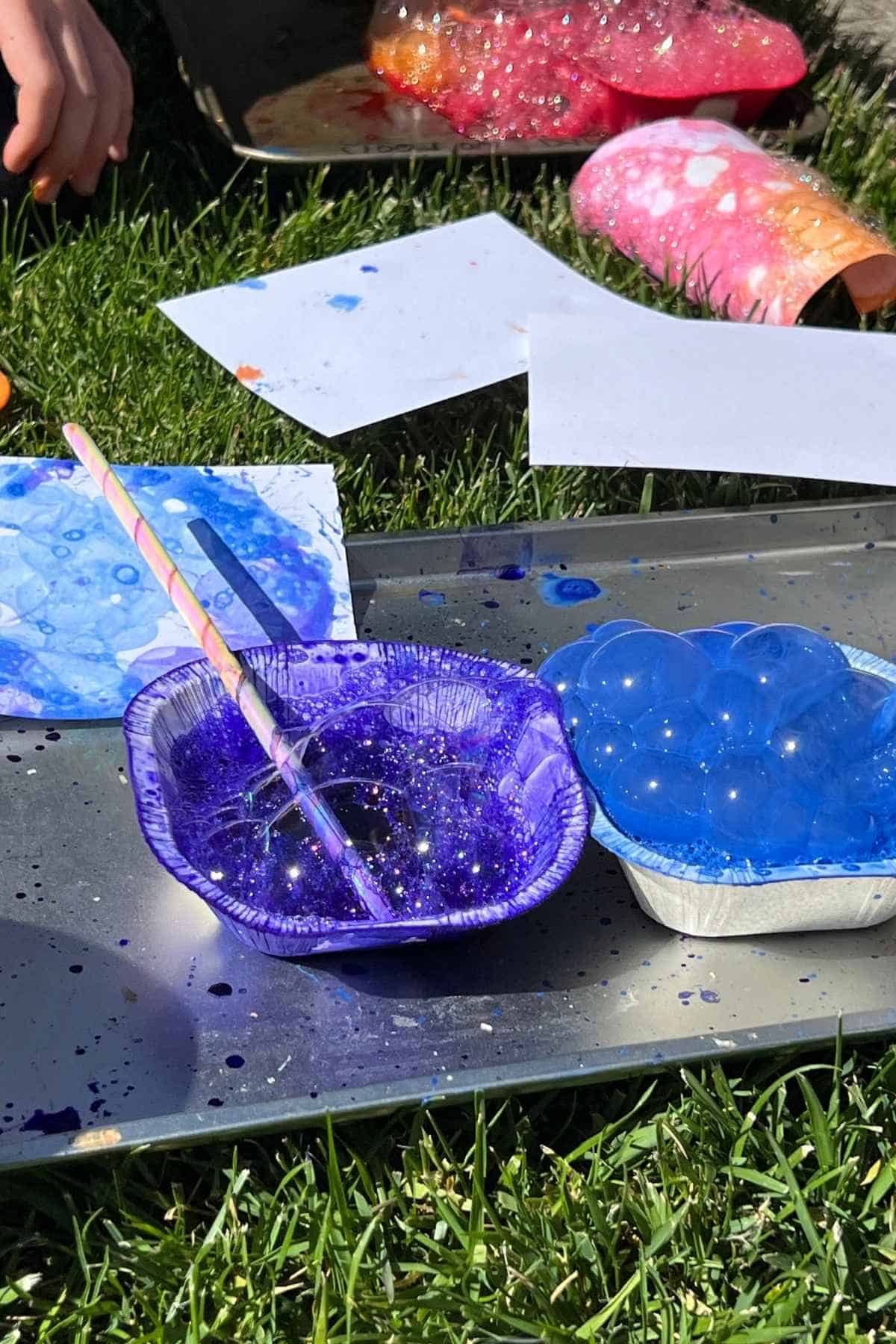
Bubble prints are such a fun process art idea, especially when you can take the mess outside. Kids can mix paint, water, and dish soap, blow bubbles with a straw, and then press paper onto the bubbles to create colorful prints. Just make sure kids practicing blowing air out of the straw before beginning!
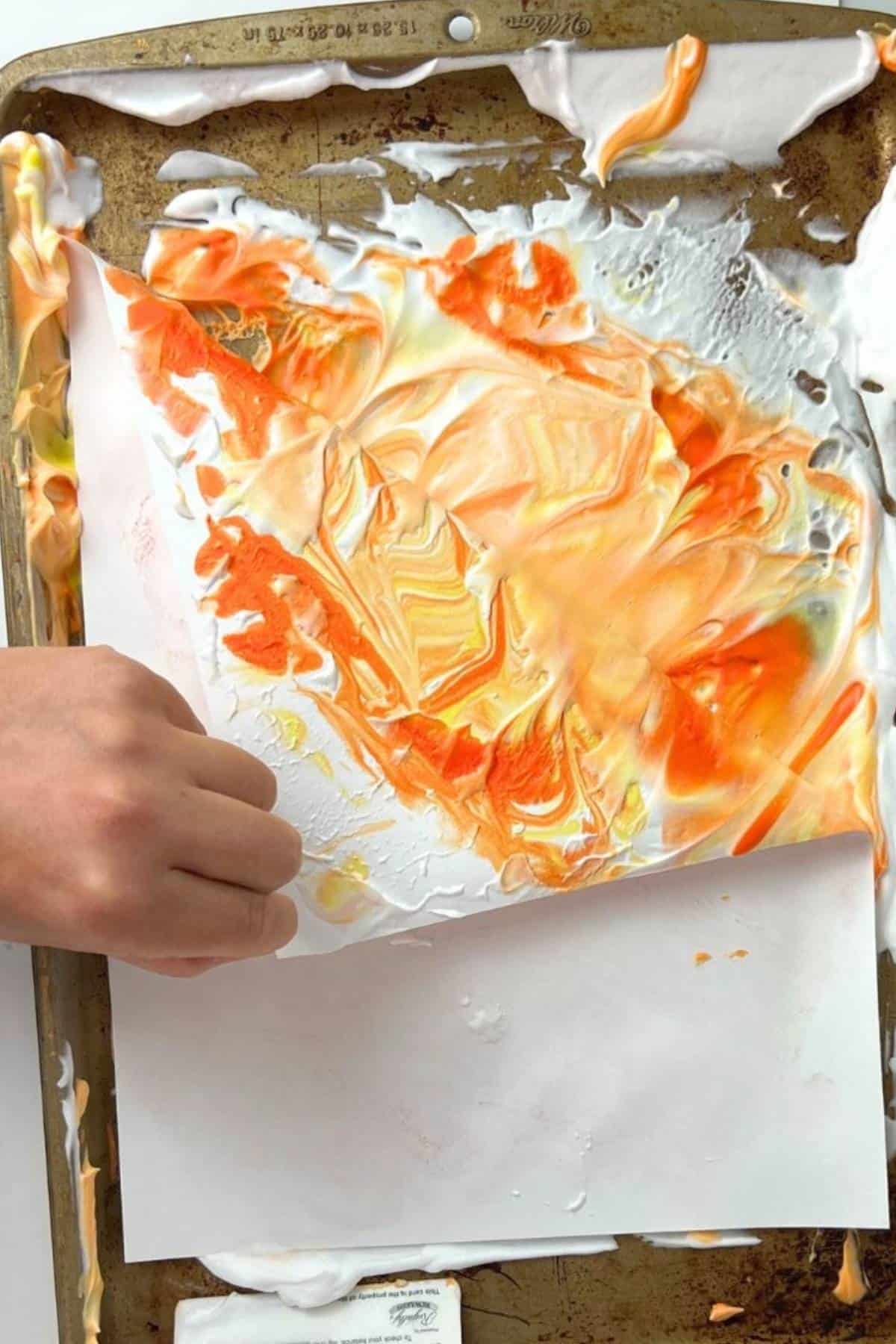
Shaving cream marbling is always a favorite process art technique because kids get to swirl colors, make prints, and reveal beautiful marbled paper in just a few minutes.Add shaving cream to a tray, drip liquid watercolor, food coloring, or paint on top, and swirl the colors together. Then kids can press paper onto the shaving cream and scrape it off to reveal a one-of-a-kind print.
Magic paintings are always a hit with young children. Draw hearts, snowflakes, sight words, or simple designs with a white oil pastel or white crayon first. As they paint, the hidden drawings magically appear. This easy process art idea is perfect for practicing letters or sight words, making seasonal art, or just adding a little extra excitement to painting.
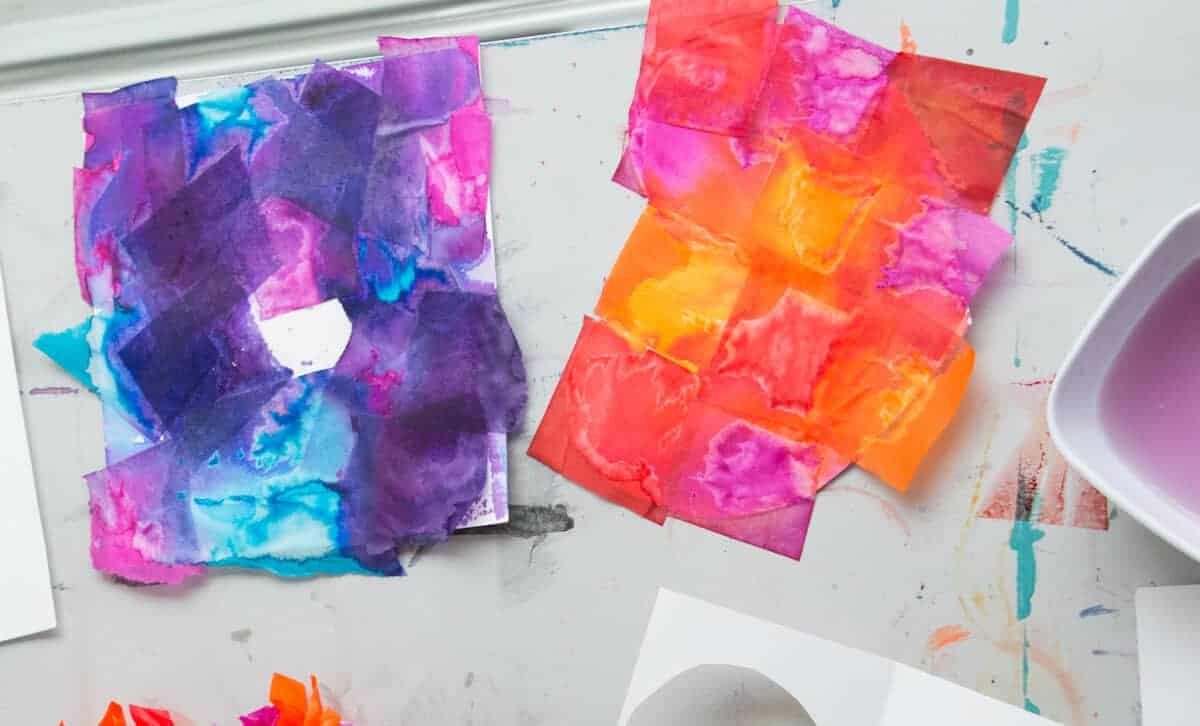
Bleeding tissue paper is a fun process art technique because kids get to watch the colors mix and transfer onto the paper. Children can layer pieces of bleeding tissue paper, add water, and peel them away to reveal a colorful surprise. This technique works well as a simple standalone project, a background for another artwork, or even as part of a Monet-inspired art lesson.
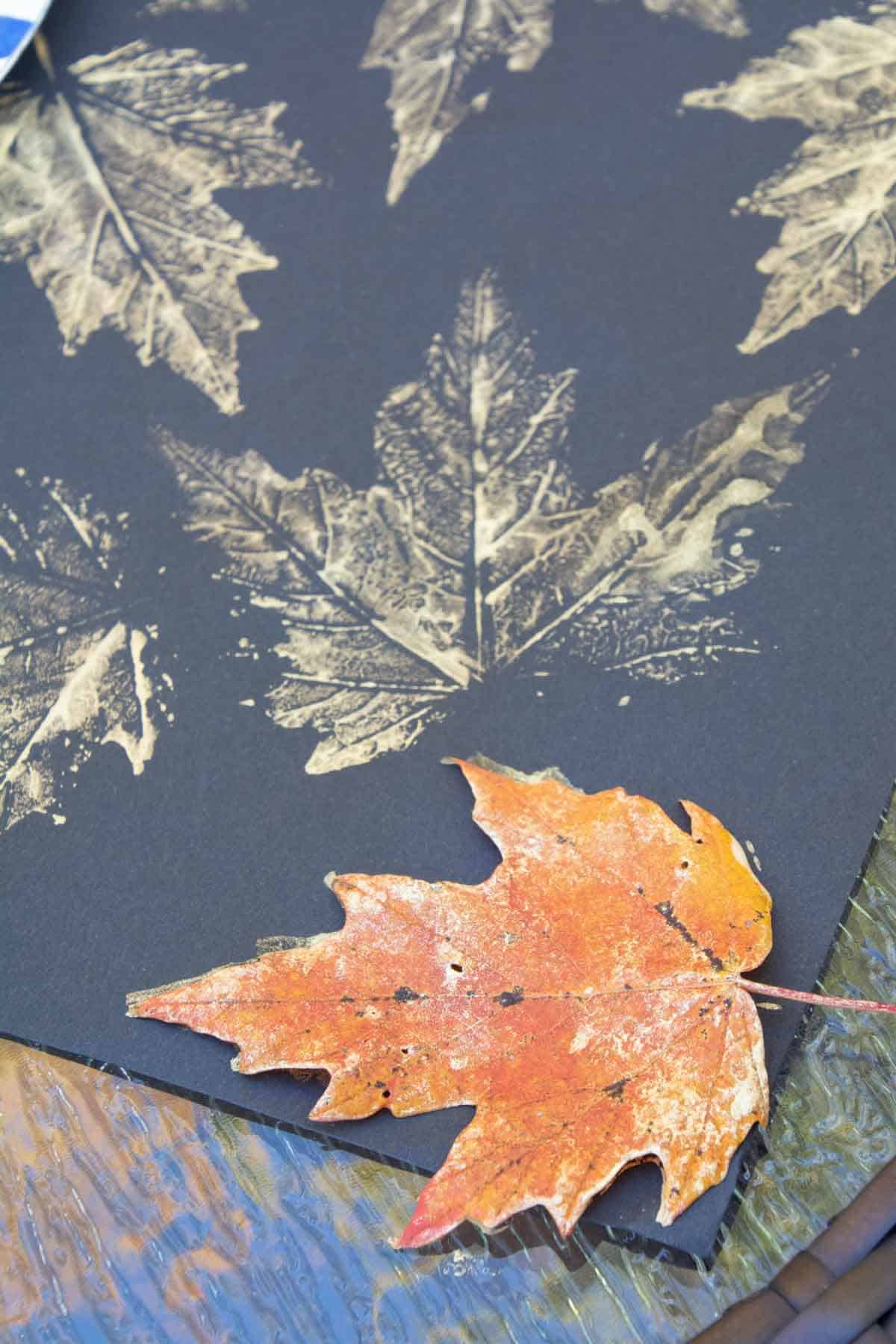
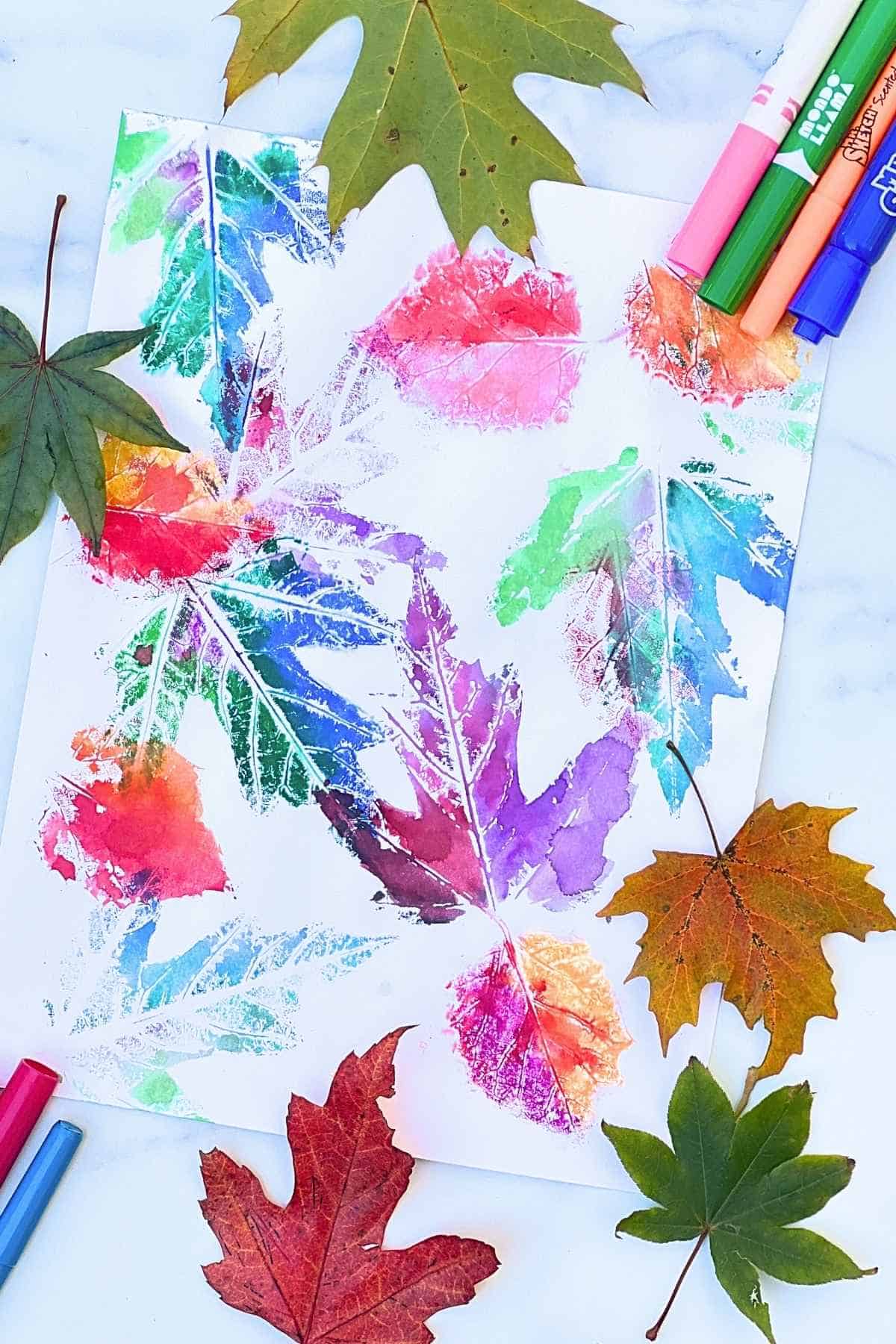
Leaf prints are a fun way for kids to explore texture, shape, and nature in their artwork. Children can add paint to real leaves and then press them onto paper to create unique prints.
For older kids, try coloring the leaf with washable markers and adding a little water to create a watercolor-like print. There are so many different ways to create beautiful nature-inspired art.
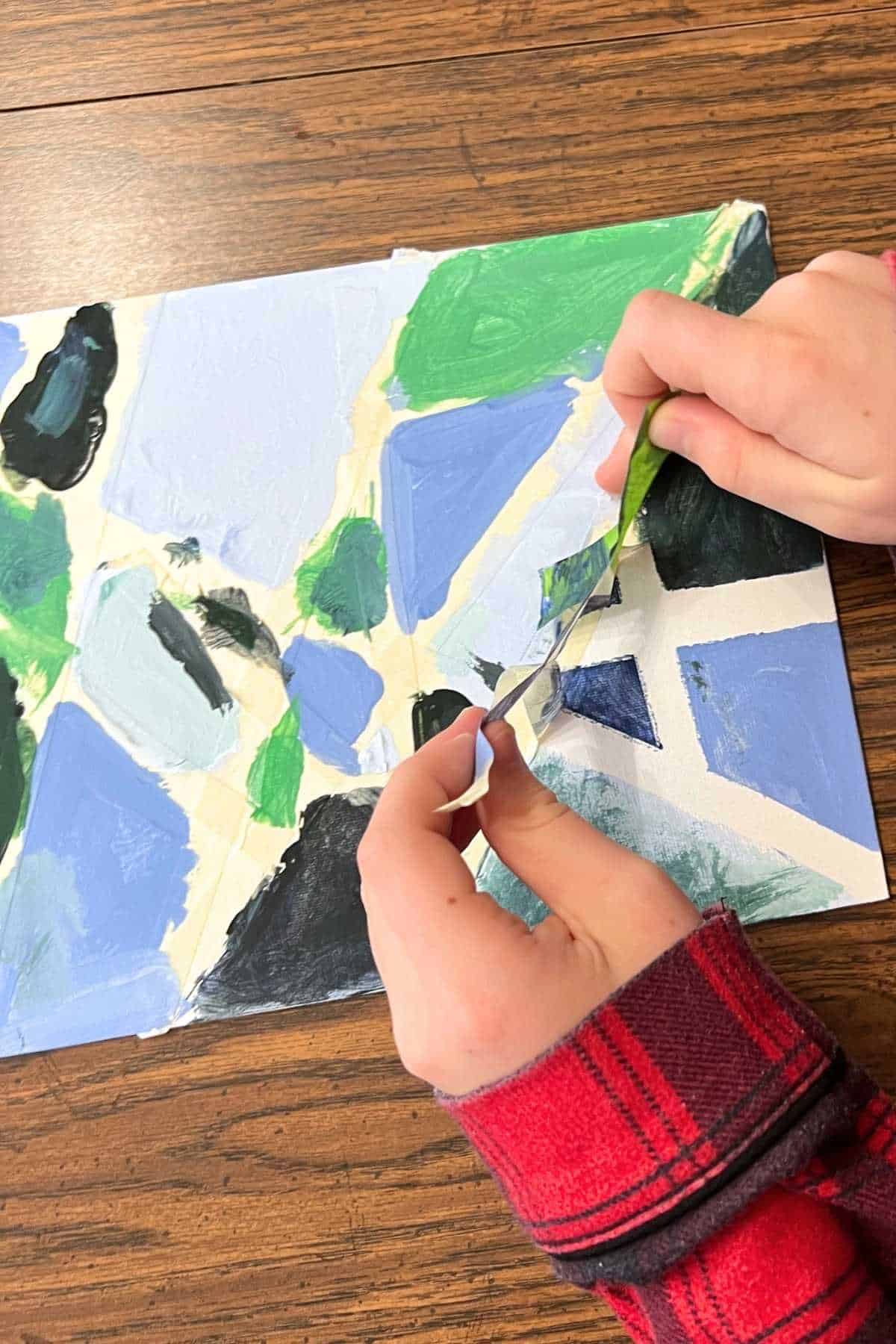
Tape resist art is an easy way for kids to create bold designs while still having lots of room to make their artwork their own. Use painter’s tape to create lines, shapes, or a design of your choice, and then paint right over the top.When the tape is peeled away, kids get to reveal crisp white lines and a cool finished design. This technique works well for a simple canvas painting project, but older kids can also experiment with advanced techniques such as mixing tints and shades, blending colors, or creating a more detailed composition.
Stamping art is a fun process art technique because kids can use so many different materials to create patterns and textures on paper.You do not need fancy supplies or special art tools. Recyclable materials like toilet paper rolls, paper towel tubes, cardboard scraps, bottle caps, and other found objects can make really interesting prints. Kids will love experimenting with different shapes and seeing what kinds of patterns they can create.
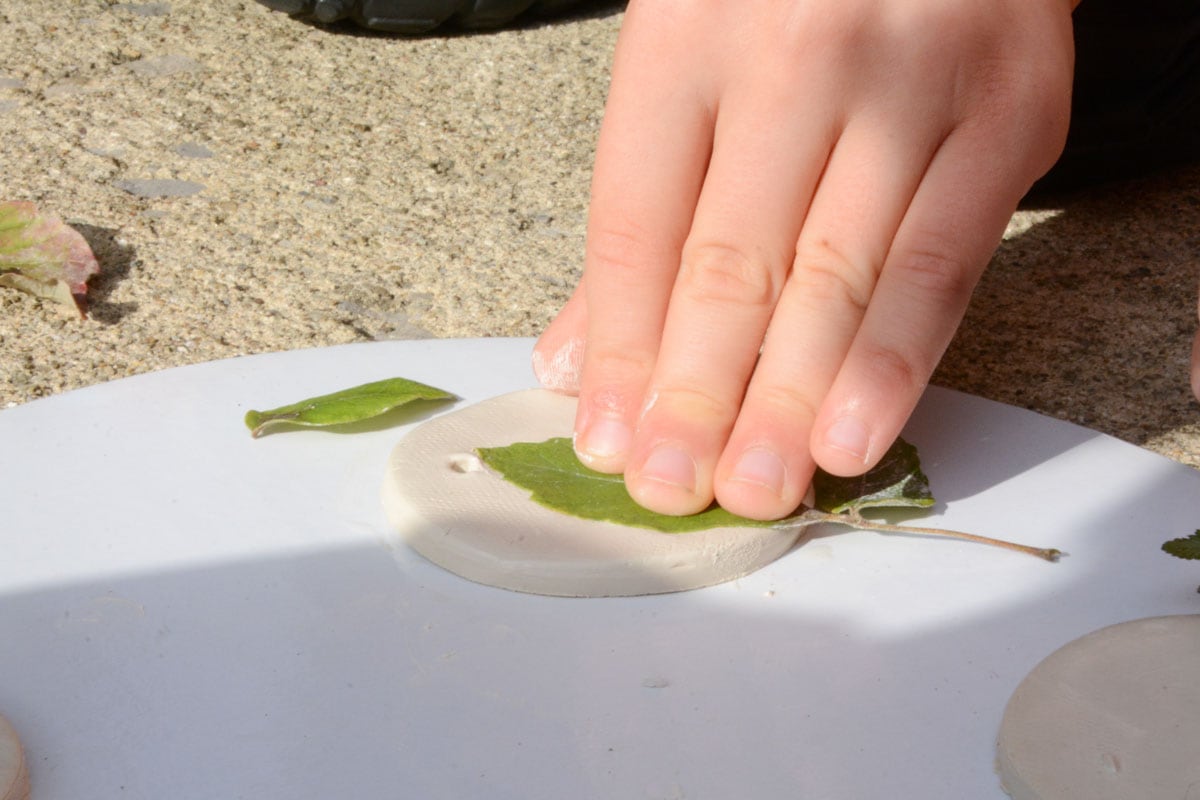
Leaf texture art is a wonderful way for kids to explore real textures found in nature. Children can press leaves into clay or other soft materials to see the lines, veins, and shapes they leave behind. This technique works especially well for clay pendants or small keepsake projects.
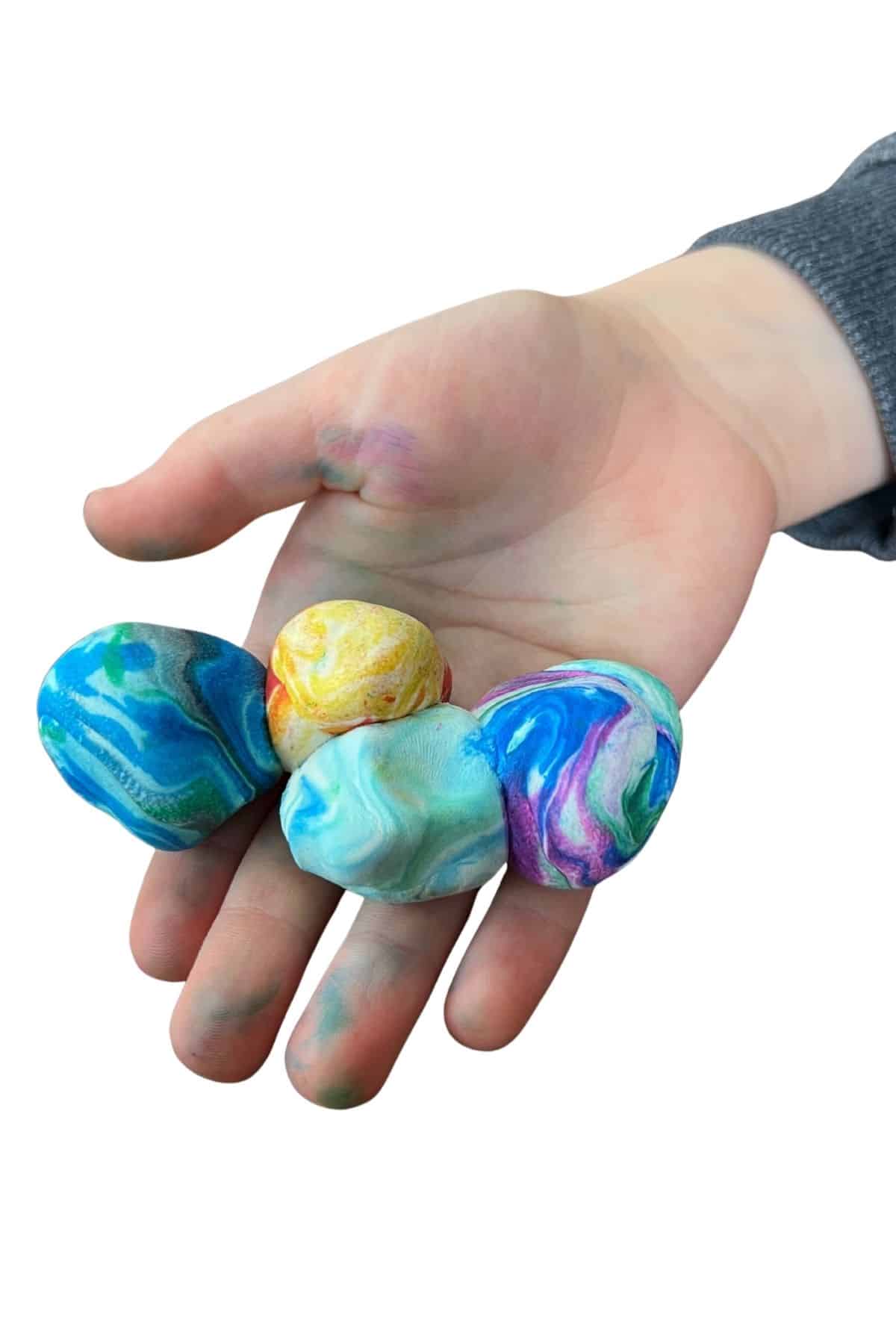
This color wheel Play-Doh project is a fun, hands-on way for kids to explore color mixing without worrying about the final artwork. A great no-pressure way to learn about primary colors, secondary colors and beyond.
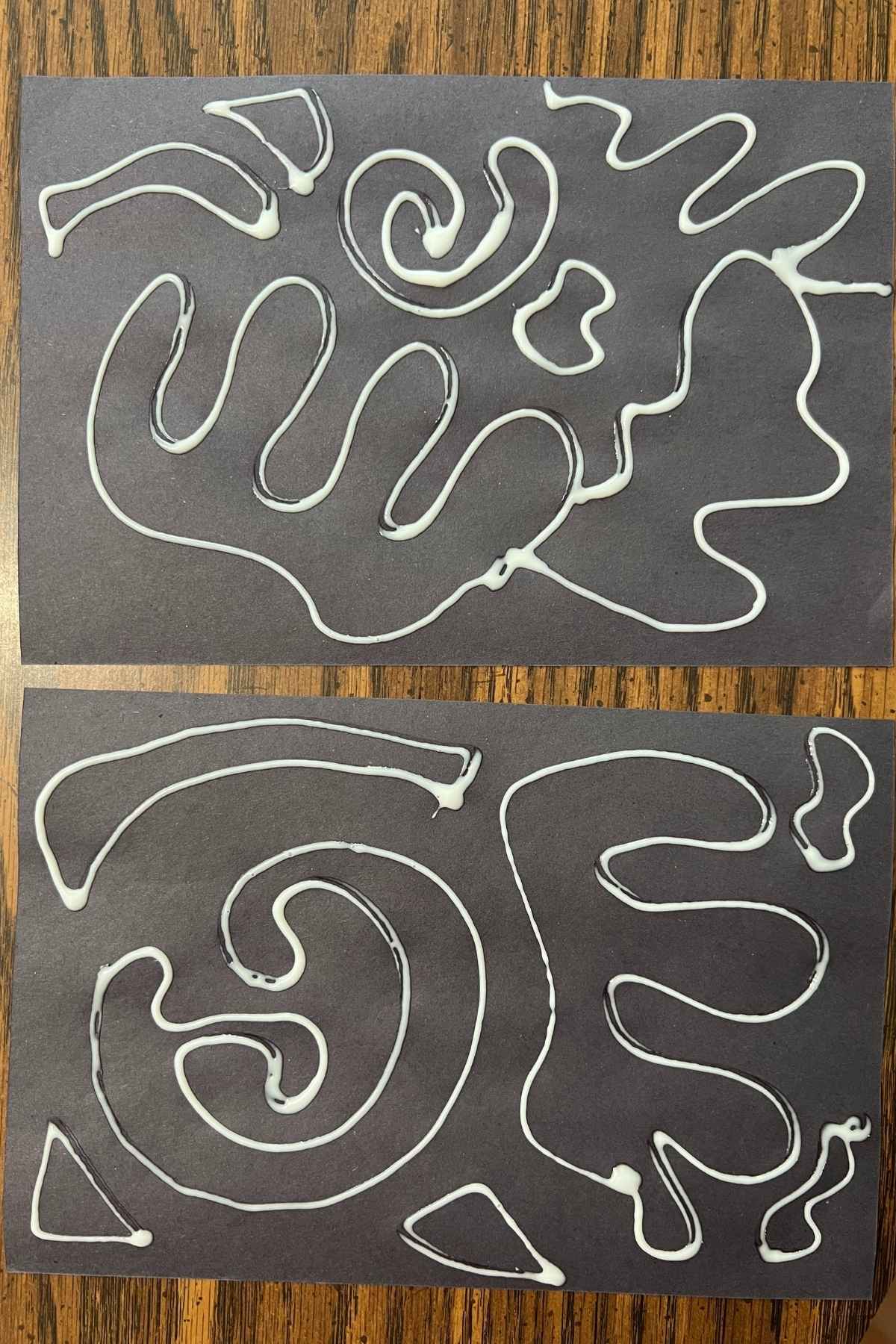
Draw a fun shape or design with glue on black paper. Once it dries, explore how chalk pastels can blend together to create wonderful colors and designs.
As a former art teacher, artist and mom, Erin knows how important expressing your creativity is. Even the youngest children can enjoy the process of artmaking with their families.