
How To Make An Ocean Habitat Diorama (Easy Shoebox Project)


Did your kid just get assigned to make a habitat project? Find all the ideas and tips below to create a fun ocean habitat diorama using simple materials. Grab that shoebox and let’s get started!
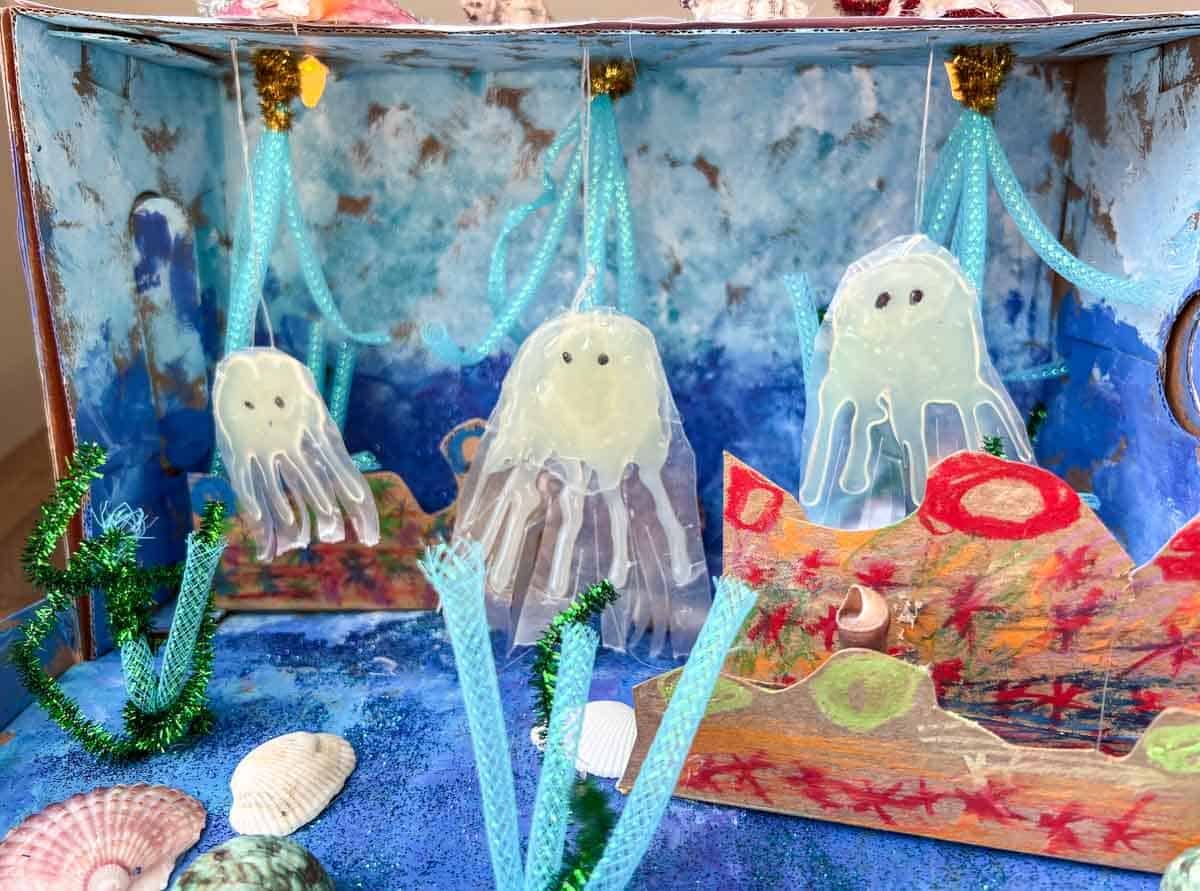
This ocean habitat diorama project has been a reader favorite since it was originally published in February 2026. It was updated in October 2026 with more helpful shoebox diorama tips, FAQs, and step-by-step instructions.
After learning about habitats, the food chain, and animals, children may be given an open-ended habitat project to complete at home. Choosing the right animal can be a daunting task, but don’t worry, we have you covered.
From our wolf diorama example to creating this fun underwater habitat, you can use these tips and ideas no matter what animal you choose.
What is a diorama?
Dioramas for school projects are normally created in a shoebox to show a small model of a different scene or environment. Making an ocean habitat diorama is also a fun way for kids to learn about different ocean layers, how animals adapt to their environments, and the roles they play in an ecosystem.
Why A Shoebox Box With An Attached Lid Works Best
Over the years, I have found that the best way to make a diorama is to use a shoebox with an attached lid. You can open the box and add extra support to create more space for your diorama.
NOTE: Some people try to securely attach everything so the shoebox diorama can open and close easily when finished. I just prefer to keep the box open so that you don’t have to worry about messing up all the hard work.
Recommend Supplies
Disclosure: This post may contain affiliate links when clicked, we may earn a small commission at no additional cost to you. Read our full privacy policy.
Notes About Supplies
- Don’t skimp on adding extra light inside the box. Adding a few battery-powered tealights really illuminates the sea.
- You can modify this anyway you want.
- Don’t forget about the outside of the box; add paper or paint to complete the whole ocean habitat.
- You can find shells, glitter, and small rocks in your Dollar Store craft aisle.
SAFETY FIRST – Always have an adult help with hot glue and poking through cardboard.
How To Make An Ocean Habitat Diorama
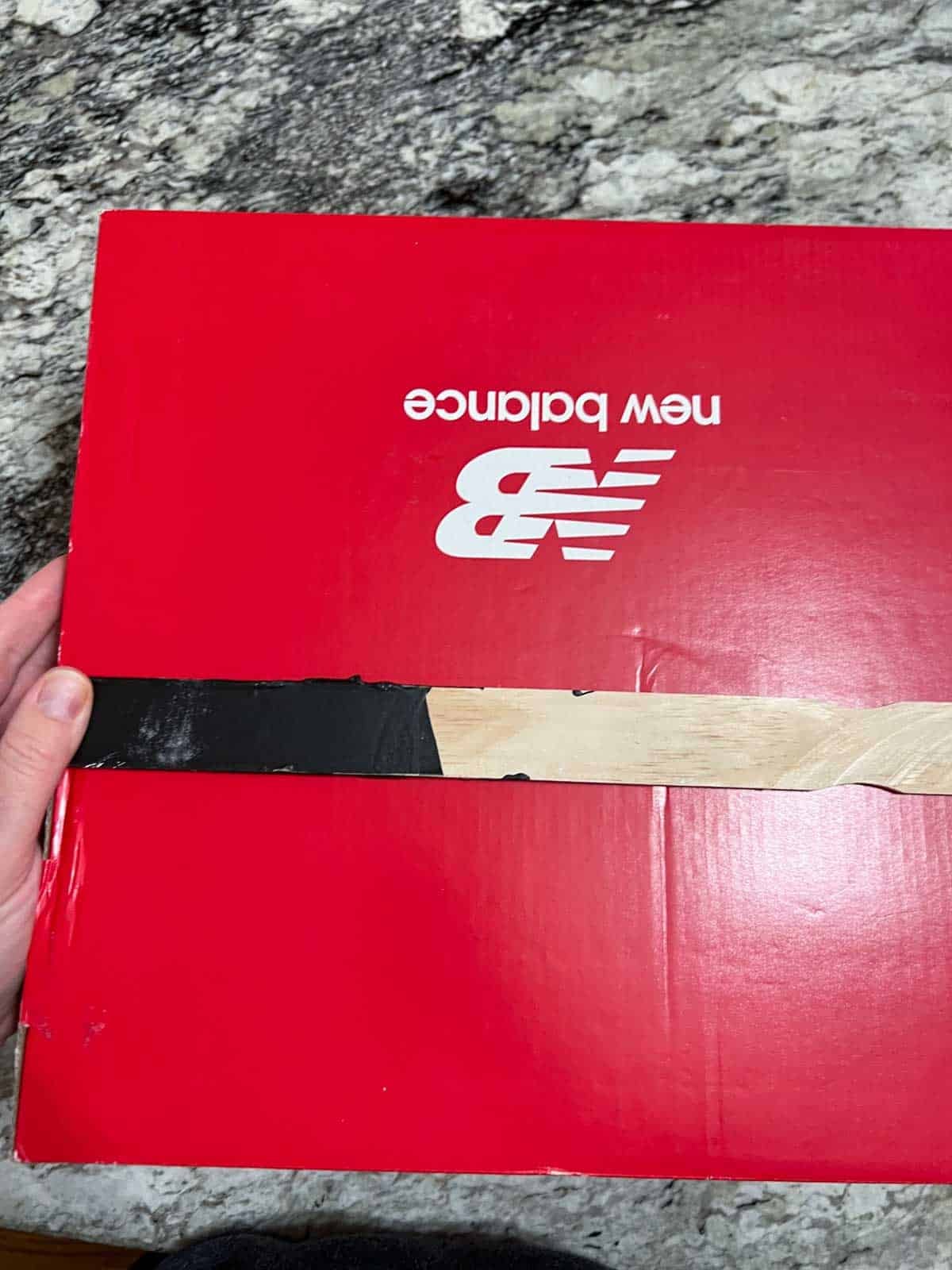
Step 1: Secure The Shoebox
This diorama is made from a box with a lid. Use packing tape to attach a old ruler, paint stick or just use tape to keep the lid secure.
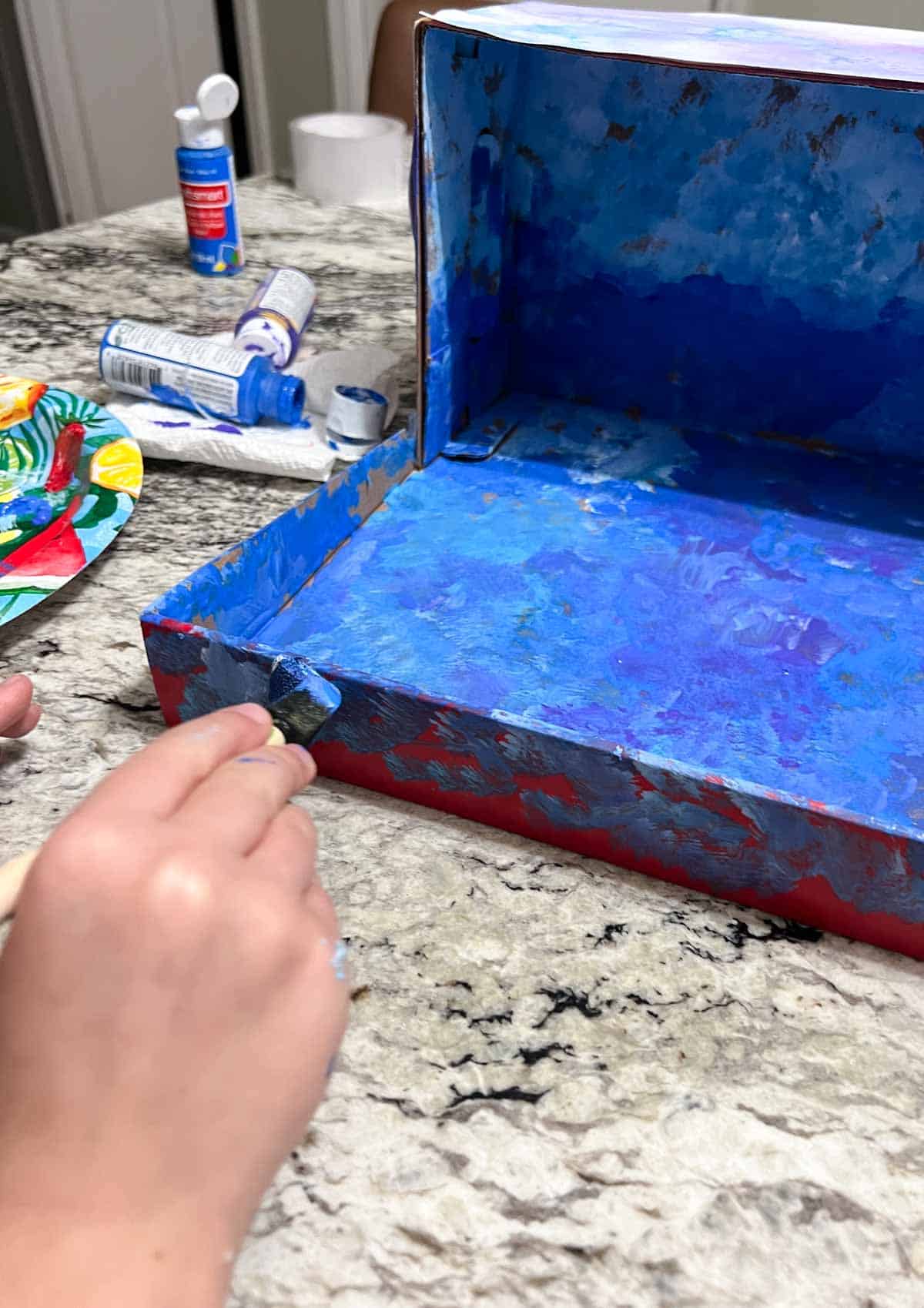
Step 2: Start Painting
For an ocean-themed diorama, dabbing paint or sponge painting different blues will help give you that underwater vibe.
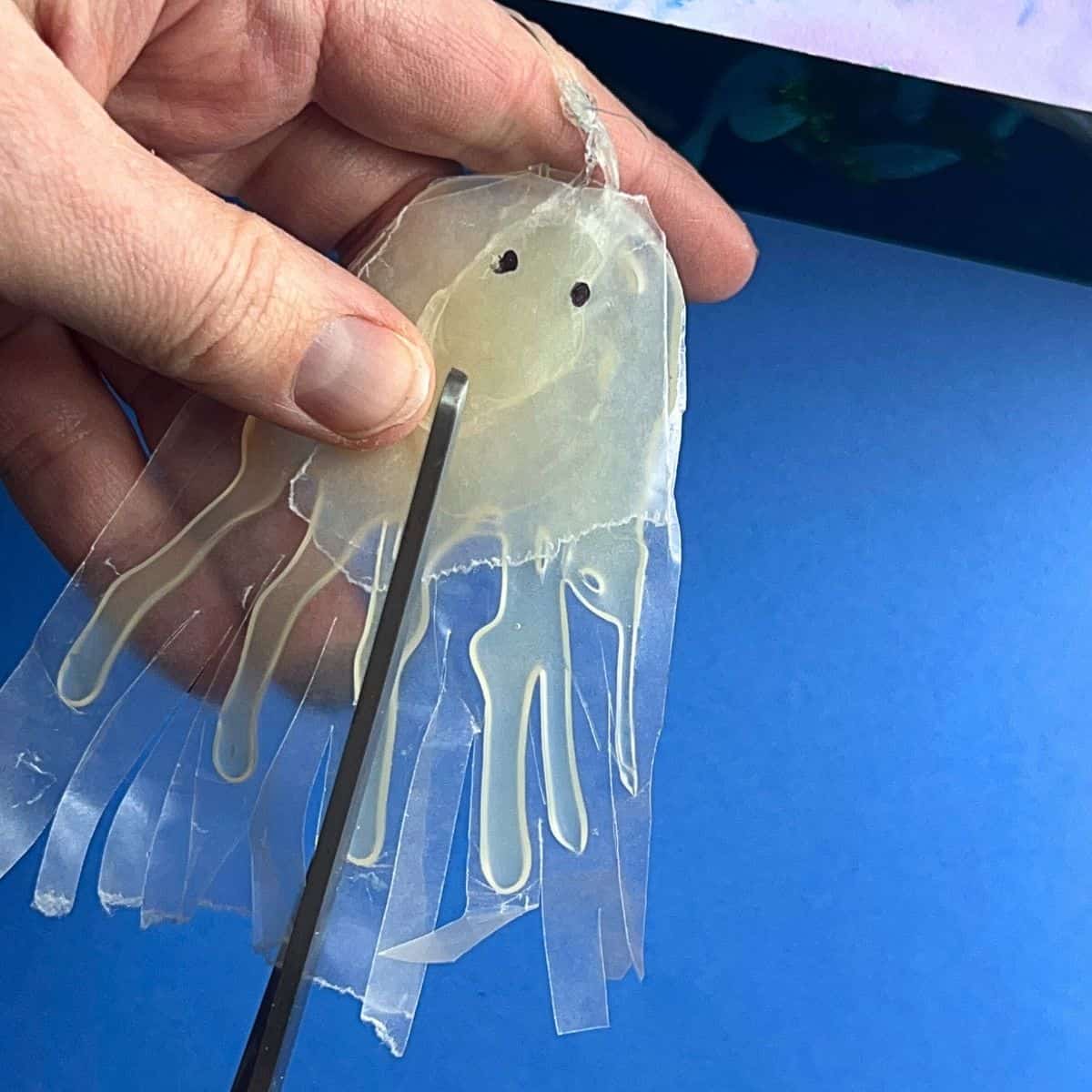
Step 3: Create Animals
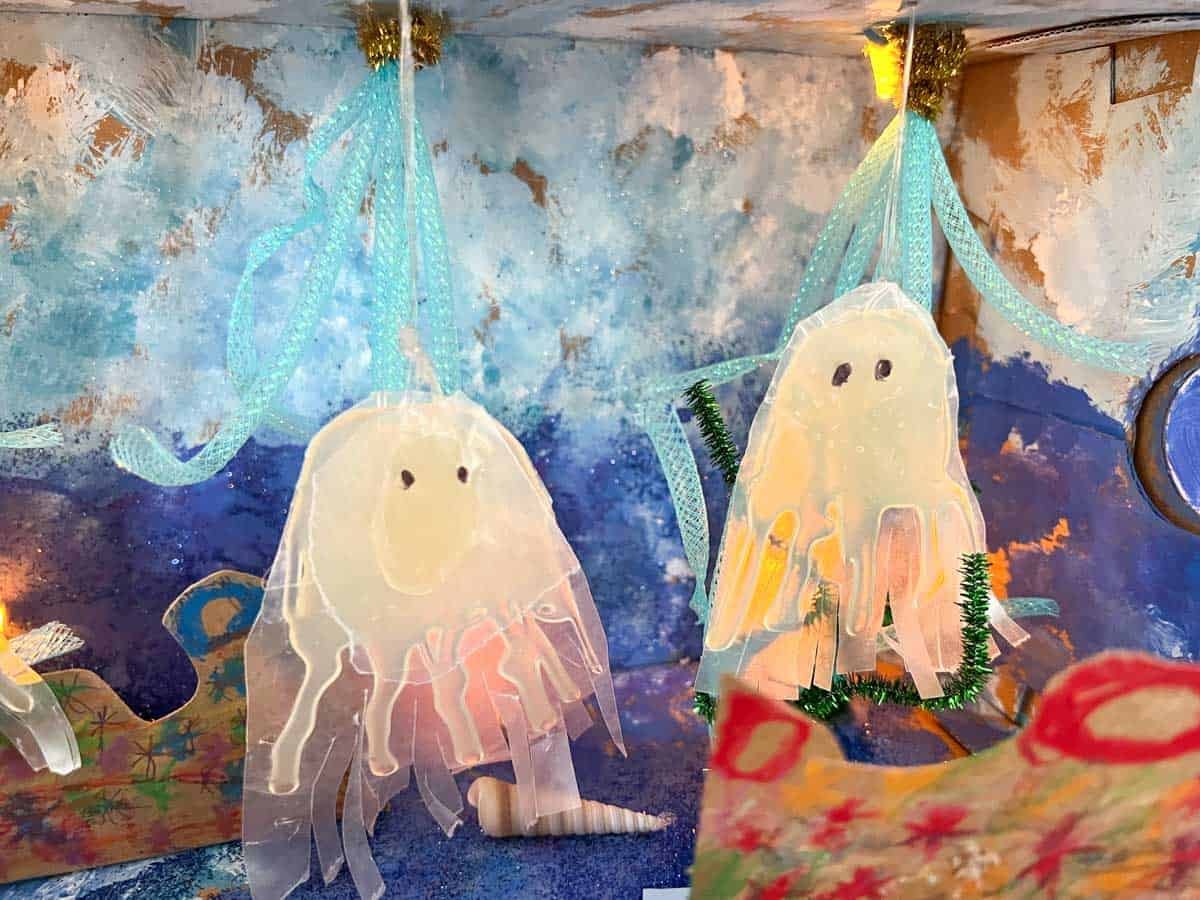
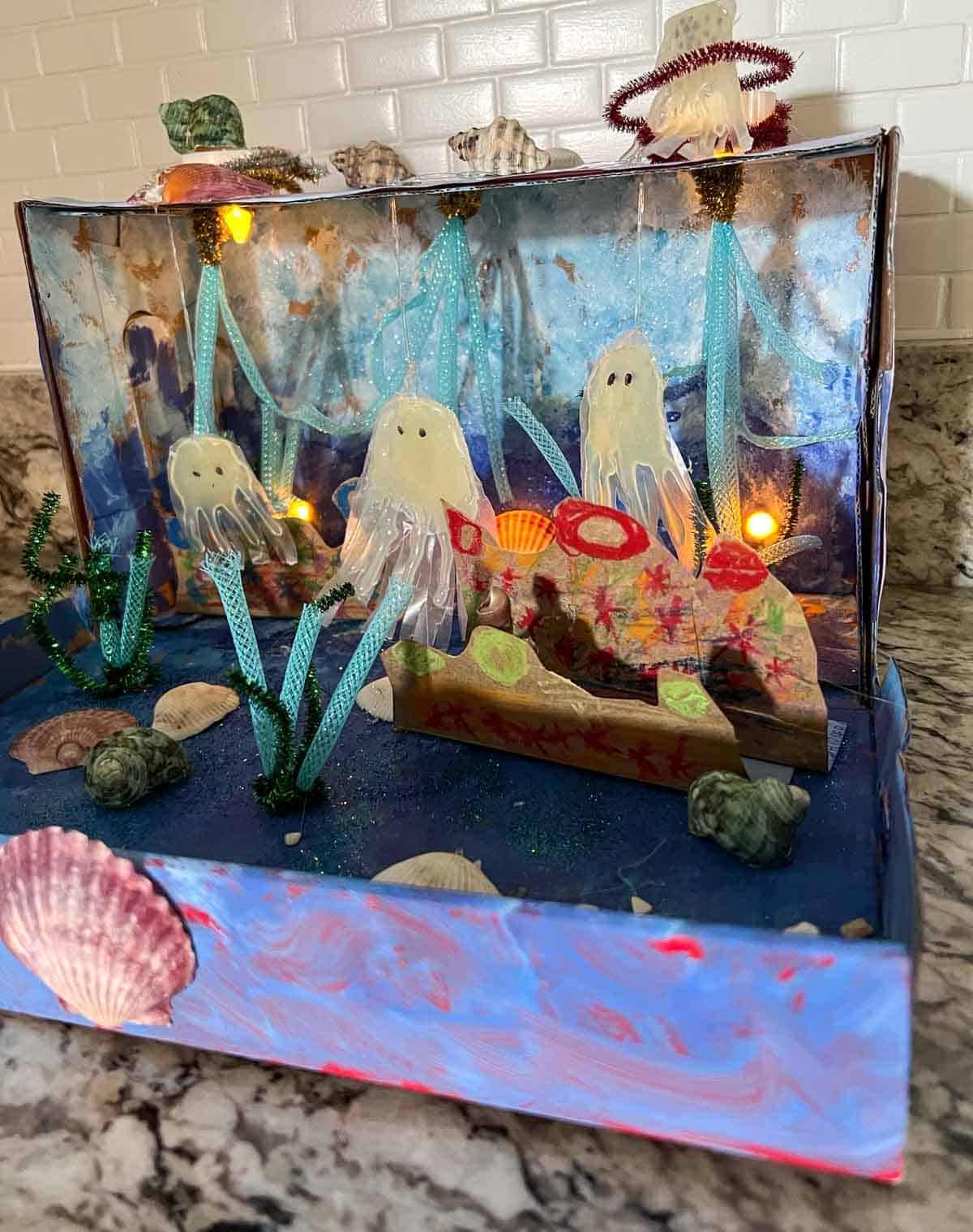
To create the jelly fish in this project, an adult used hot glue on wax paper in the shape of jellyfish. Fishing line was added to the hot glue so that these could hang. Once cool, the student was able to cut out the animal.
Step 4: Add Lights
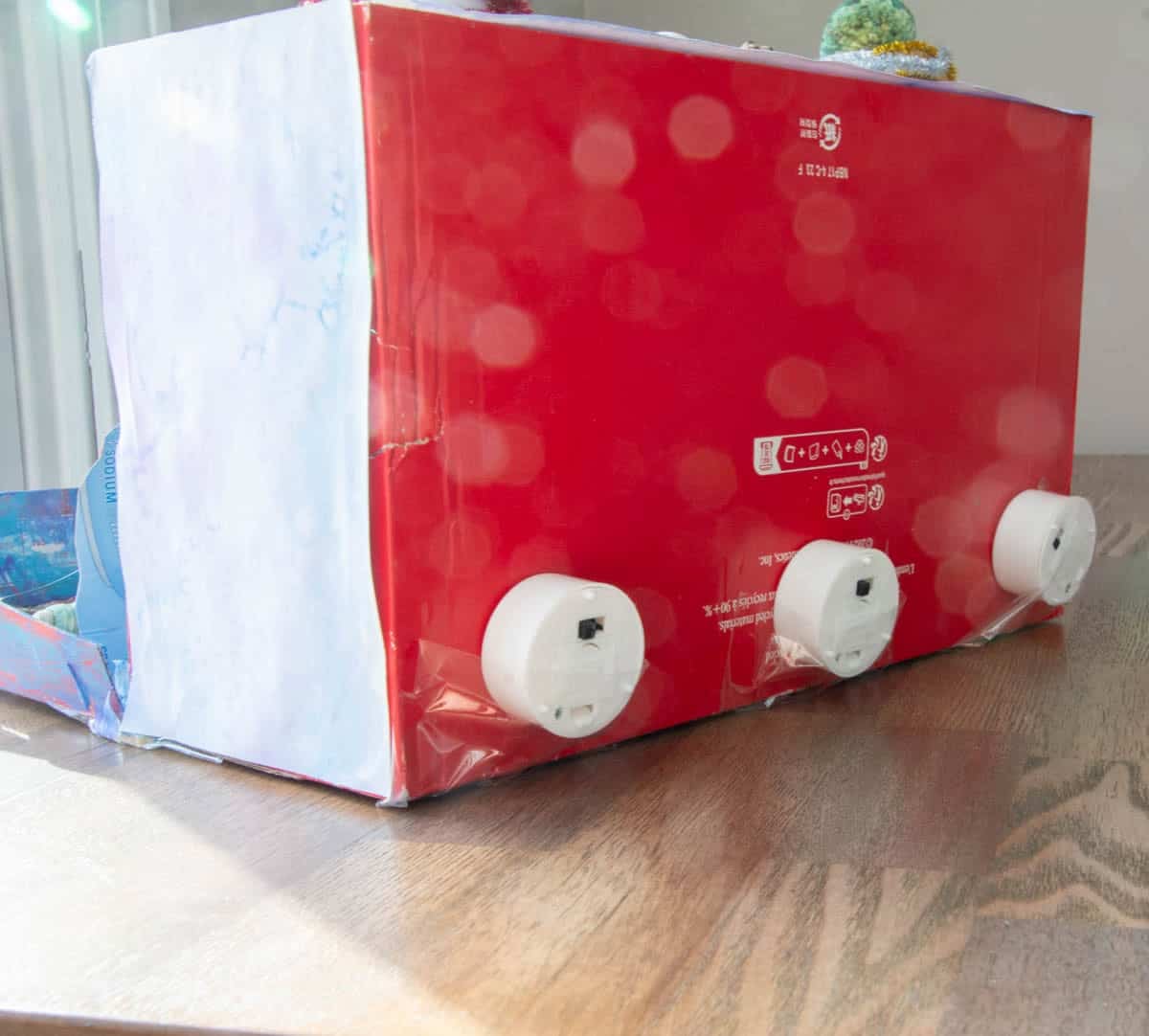
Poke a small hole through the box where you would like to add lights. Use packing tape on the outside to secure the tea light without taping over the switch.
Step 5: Add Seaplants
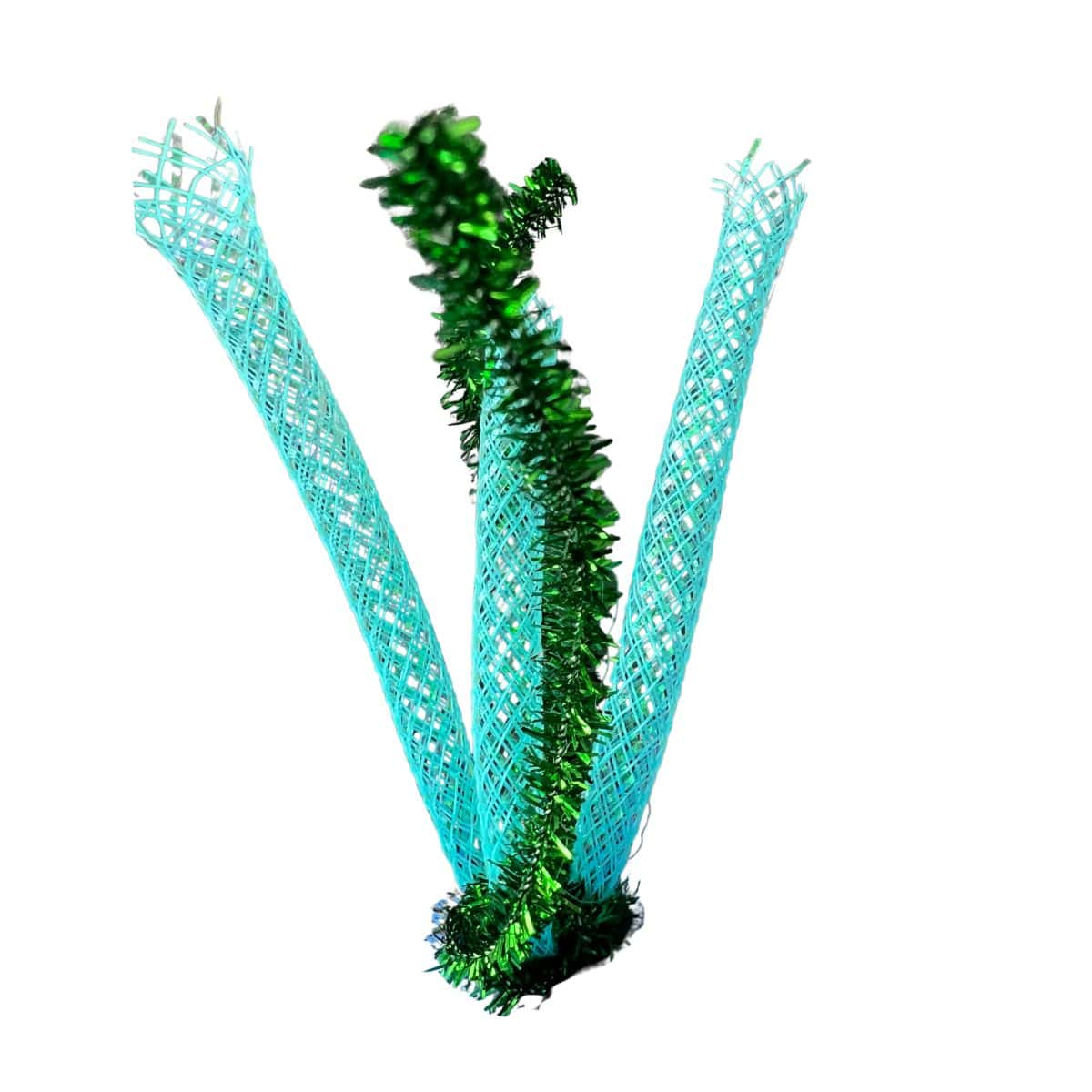
Children can use a variety of materials to create coral reefs, seaweed and other plants or animals. The seaweed was made by twisting pipe cleaners and blue tubing together. An adult should help hot-glue the items in the box.
Step 6: Make and Add Coral
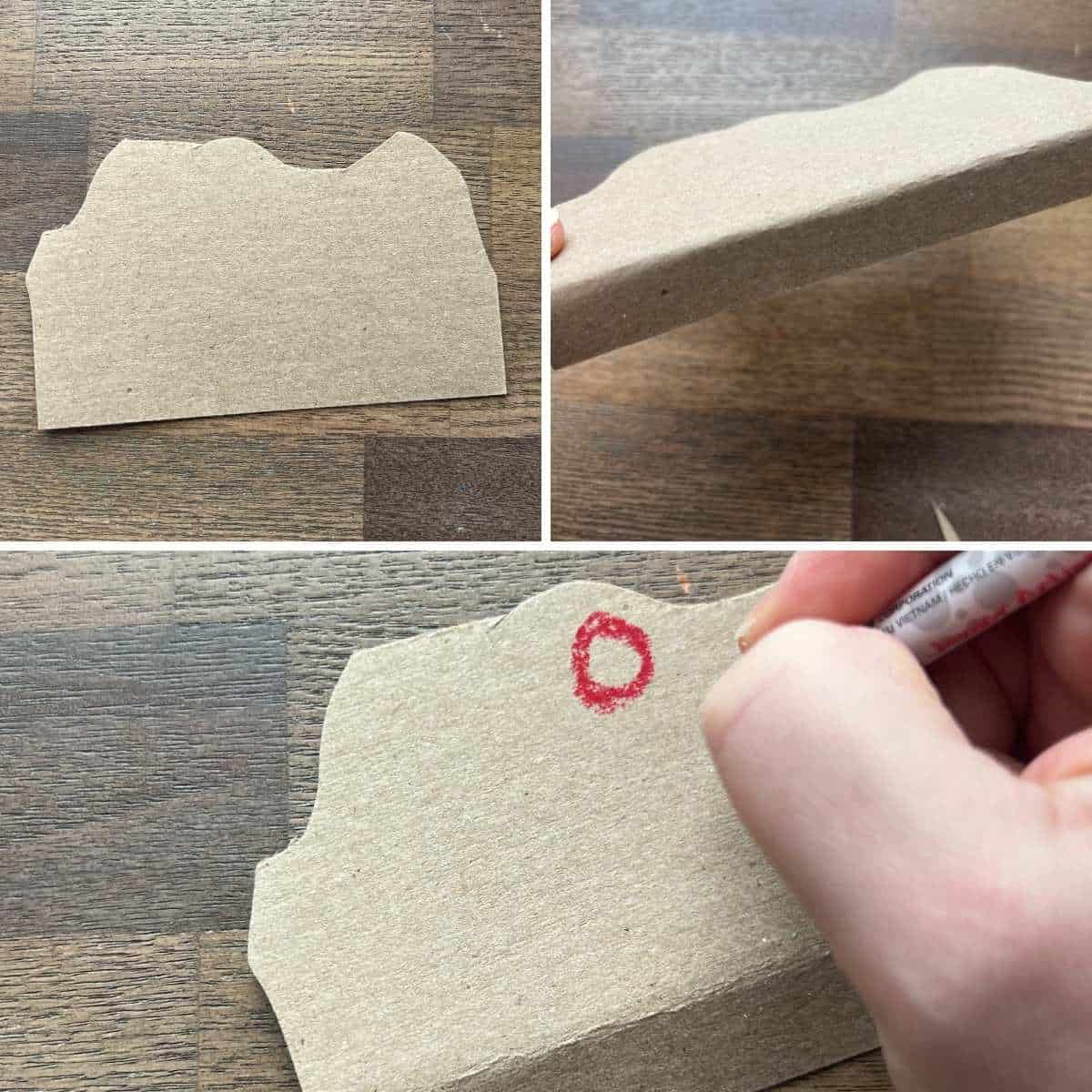
Coral was created out of old cardboard and drawing materials. Fold the edge so that they will stand up once glued.
Step 7: Hang Animals
Poke small holes on the top of the box for the fishing line to go through. Add tape, glue or add the fishing line to an item that can be moved above the box.
Step 8: Add Extra Details
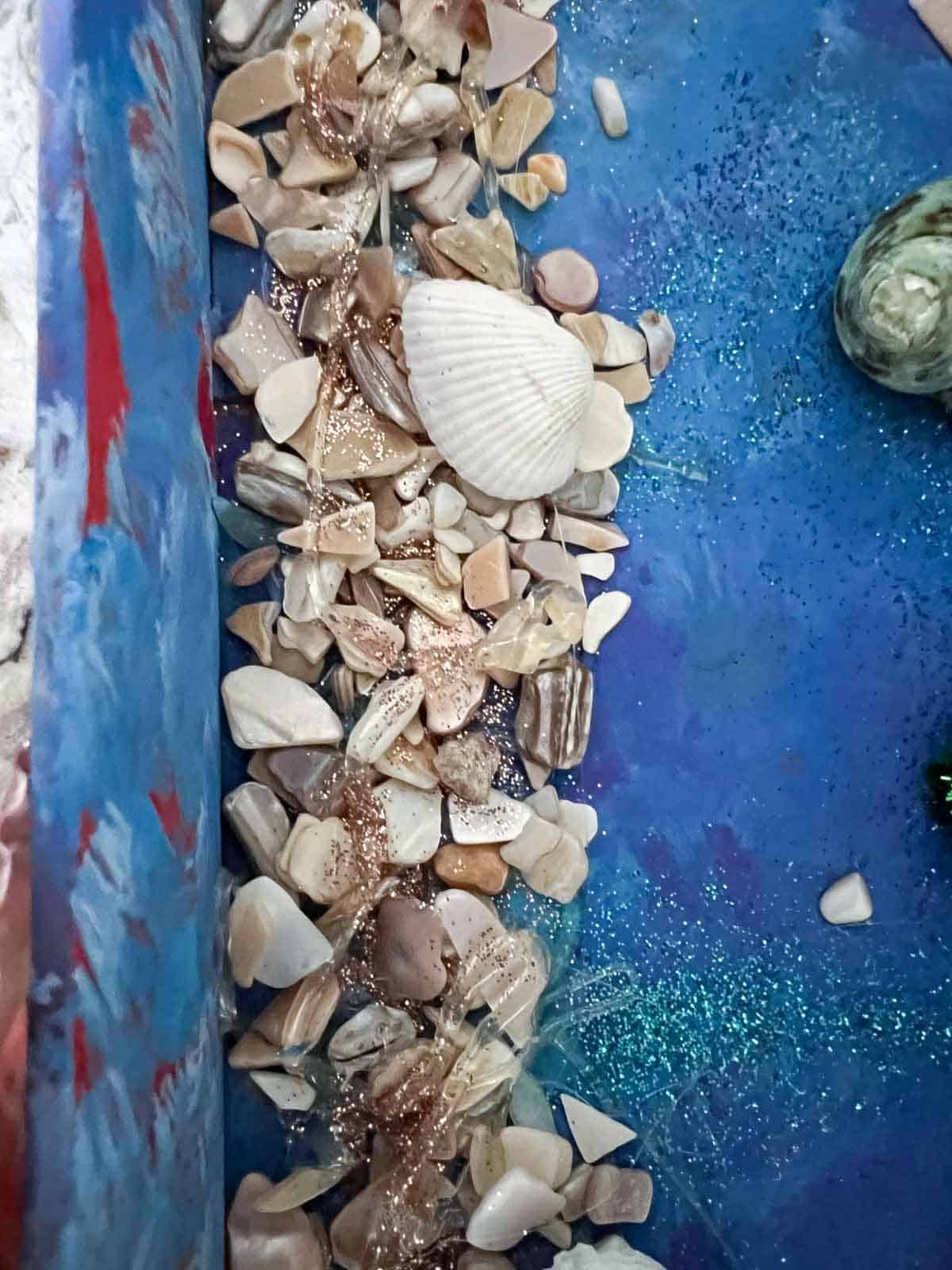
Small rocks, gold glitter and seashells were used to complete the ocean shoebox project.
Shoebox Diorama Tips
- OTHER OPTIONS – Instead of sponge painting, ripped paper could create a cool underwater feel.
- AT LEAST 3 LIGHTS – the more light the better!
- PURCHASE THE ANIMALS – Instead of making jellyfish, you could purchase small fish and other animals.
- USE MODEL MAGIC ANIMALS – Model Magic is a great material for kids to work with to sculpt other sea creatures or animals.
Project FAQs
There are several easy ways to make fake ocean water for a diorama. Paint the inside of your shoebox with different shades of blue, or use blue tissue paper or construction paper. For a more realistic water effect, older kids can add clear hot glue or craft resin over a painted surface with adult supervision. Always follow the resin manufacturer’s safety instructions.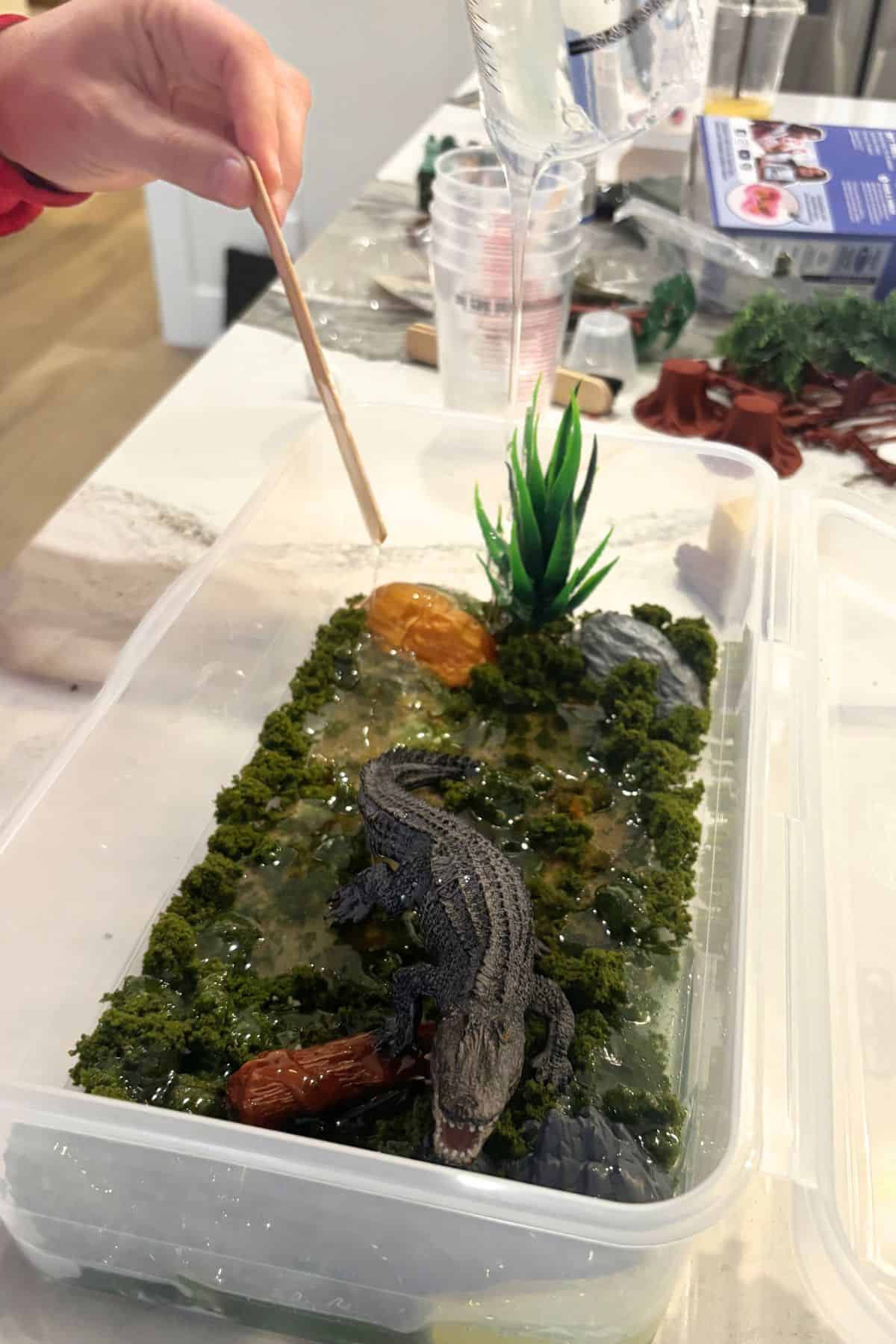
Fish, sea turtles, jellyfish, sharks, and octopuses are popular choices. Encourage kids to research their chosen ocean habitat so the animals and plants make sense together. I recommend doing research first so children can have a better plan how many creatures they want to add.
Get creative with the materials you use! Try adding recycled materials, textured paper, or natural items like rocks and shells. You can also create different ocean habitats, such as a coral reef, deep ocean, or sandy ocean floor.
Our Favorite
Related Animal Projects
Follow us on Pinterest, YouTube & Facebook for more free art and craft ideas!
The best part about creating an ocean habitat diorama is adding your own special touches. Whether it’s a hidden treasure chest, a colorful sea turtle, or a glowing mermaid, let your imagination swim free! Remember, there’s no right or wrong way to complete a habitat project! Grab that shoe box and start making!
Creative Ocean Habitat Shoebox Diorama Project
Equipment
- Scissors
- Hot glue gun
- Paintbrushes or sponges
- Tool for making holes in cardboard (adult use)
Supplies
- Shoebox with attached lid
- Clear packing tape
- Acrylic craft paint different shades of blue
- Wax paper
- Hot glue sticks
- Fishing line
- Pipe cleaners
- Cardboard scraps
- Drawing materials
- Battery-powered tea lights
- Shells, small rocks, glitter, sand and blue tubing optional
Instructions
- BEFORE YOU BEGIN: Gather your supplies and decide what ocean animals and plants you want to include. An adult should help with hot glue and making holes in the cardboard.
- SECURE THE SHOEBOX: Use packing tape and an old ruler or paint stick to secure the lid in an open position.
- PAINT THE BACKGROUND: Dab or sponge paint different shades of blue inside the shoebox to create an underwater scene. Let dry.
- CREATE OCEAN ANIMALS: Have an adult draw jellyfish shapes with hot glue on wax paper. Add fishing line to the wet glue. Once cool, carefully cut out the jellyfish.
- ADD LIGHTS: With adult help, poke small holes in the back of the box. Secure battery-powered tea lights on the outside with packing tape, keeping the switches accessible.
- MAKE SEAWEED: Twist pipe cleaners and blue tubing together to create seaweed. Use hot glue to attach the plants inside the box.
- CREATE CORAL: Draw and cut coral shapes from cardboard. Fold the bottom edges so the pieces can stand upright and glue them into the scene.
- HANG THE ANIMALS: Poke small holes in the top of the shoebox. Thread the fishing line through and secure it with tape or glue so the jellyfish hang inside.
- ADD FINAL DETAILS: Finish your ocean habitat with shells, small rocks, glitter or sand. Add any other creative details you want!
Notes
- Try ripped blue paper instead of paint to create a textured underwater background.
- Use at least three battery-powered tea lights to brighten the inside of your diorama.
- Small plastic ocean animals can be used instead of making your own.
- Model Magic is another fun option for sculpting sea creatures.
- Don’t forget to decorate the outside of the shoebox to complete your ocean habitat.